
Simple Home Improvements That Make Everyday Living Better
A home does not need a complete renovation to become more comfortable, attractive, and practical. Small improvements can change how a space feels and how efficiently it works. Whether someone owns a house, rents an apartment, or lives in a compact property, thoughtful upgrades can improve everyday routines without requiring an enormous budget.
Start by Studying the Space
Before purchasing materials or choosing new furniture, it is useful to understand how each room is currently being used. Some areas may feel crowded because furniture is poorly positioned, while others may appear unfinished because they lack practical storage.
Walk through the home and identify areas that create daily frustration. A narrow walkway, poorly organized kitchen cabinet, dim hallway, or cluttered entryway can often be improved without major construction.
Making a short list of priorities also helps prevent unnecessary spending. Instead of attempting to change everything at once, homeowners can focus on the improvements that will have the greatest effect on daily life.
See also: Yenkly com
Improve Lighting for a Better Atmosphere
Lighting can dramatically influence the appearance of a room. A space with only one strong overhead fixture may feel less inviting than a room with several sources of softer illumination.
Table lamps, floor lamps, wall lights, and under-cabinet lighting can provide additional layers of light. In work areas, brighter task lighting can make reading, cooking, or completing detailed activities more comfortable.
Natural light should also be considered. Keeping windows unobstructed, using suitable curtains, and choosing lighter interior finishes can help rooms feel more open during the daytime.
Make Storage Work Harder
Poor storage is one of the most common causes of household clutter. Fortunately, improving storage does not always require building new cabinets.
Shelves, baskets, drawer organizers, hooks, and storage boxes can help assign a specific place to everyday items. In bedrooms, vertical storage can make use of wall space that would otherwise remain empty.
The goal is not simply to add more storage. It is to make frequently used belongings easy to find and return to their proper location.
Refresh Walls and Surfaces
A new wall color can give an older room a noticeably different appearance. Even when homeowners do not want to repaint the entire property, refreshing one wall can create a visual focal point.
Other surfaces can also benefit from attention. Updating cabinet handles, replacing worn hardware, repairing damaged trim, or refinishing certain furniture pieces can provide a refreshed appearance without replacing everything.
Small details often have a larger visual impact than expected.
Create a More Functional Kitchen
The kitchen is one of the busiest areas in many homes, so practical improvements can make a significant difference. Rearranging frequently used utensils and ingredients can reduce unnecessary movement during meal preparation.
Pull-out organizers, shelf dividers, wall-mounted racks, and labeled containers can make cabinets easier to use. Keeping countertops relatively clear can also create more useful preparation space.
When considering larger kitchen upgrades, homeowners should think about workflow rather than appearance alone. A beautiful kitchen that is difficult to navigate may not provide the comfort expected from a renovation.
Pay Attention to Floors and Entryways
Floors experience constant use and can influence the overall condition of a home. Regular cleaning and timely repairs can prevent minor issues from becoming more expensive problems.
Entryways deserve special attention because they are exposed to outdoor dirt and moisture. A durable mat, practical shoe storage, and a designated place for keys or bags can keep the entrance more organized.
These changes may seem minor, but they can make coming home and leaving the house much easier.
Add Comfort Through Textiles and Decor
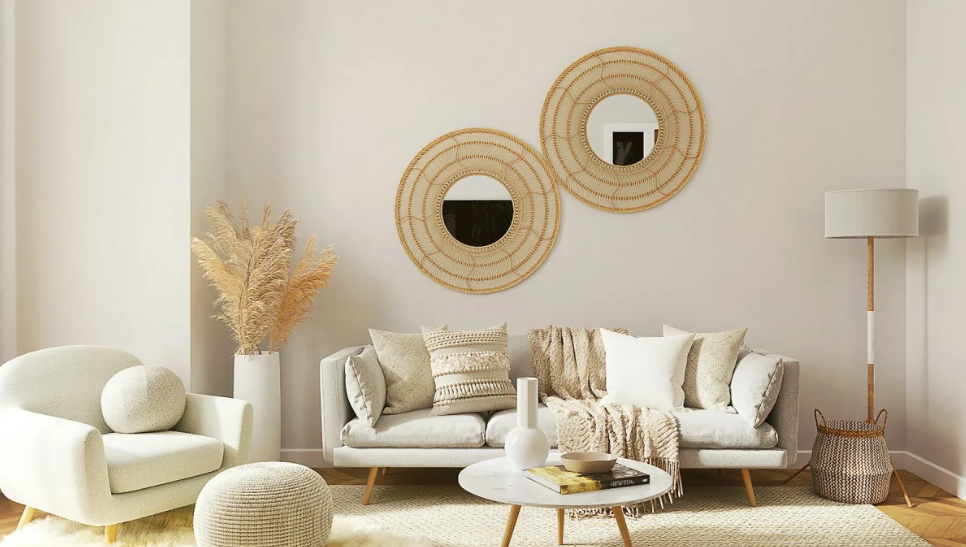
Soft furnishings can change the atmosphere of a room without permanent alterations. Curtains, rugs, cushions, blankets, and decorative accents can introduce texture and warmth.
Plants can also bring visual interest to living spaces. The right choice depends on available light, room conditions, and the amount of maintenance a homeowner is willing to provide.
Decor should support the way a room is used. A family living area may benefit from durable materials, while a quiet reading corner can be designed around comfort and relaxation.
Maintain Improvements Over Time
Home improvement does not end when a project is completed. Regular maintenance protects the work that has already been done. Checking for leaks, cleaning ventilation areas, inspecting seals, and addressing small repairs early can help prevent larger problems.
A simple maintenance schedule can make these responsibilities easier to manage. Dividing tasks into weekly, monthly, and seasonal categories can prevent important jobs from being forgotten.
Conclusion
Improving a home is not necessarily about spending large amounts of money or completing major construction projects. Better lighting, smarter storage, organized spaces, refreshed surfaces, and thoughtful maintenance can significantly improve everyday living.
The most useful improvements are those that combine appearance with function. By observing how a home is actually used and making changes based on real needs, homeowners can create spaces that feel more comfortable, organized, and enjoyable for years to come.
One Comment